





This article explores why responsive design matters for small businesses, how it supports growth, and what elements to prioritize when building or upgrading your site.
What is Responsive Web Design?
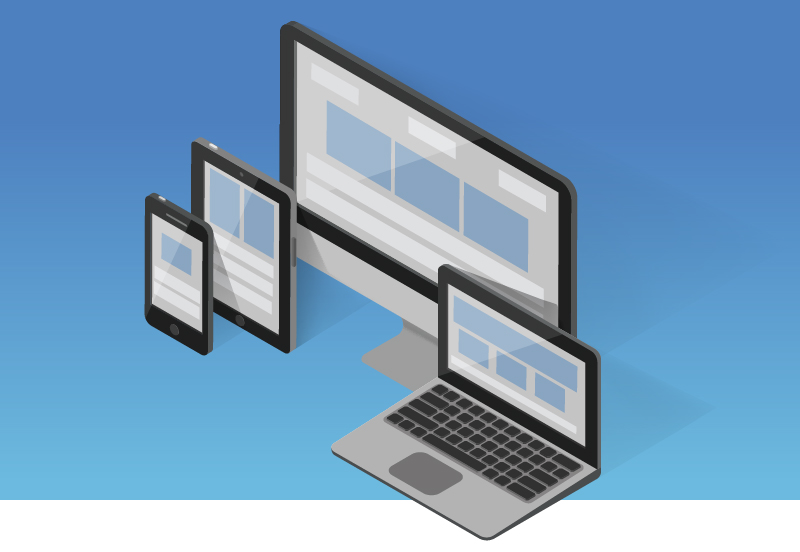
Responsive web design is an approach where a website automatically adjusts its layout and elements based on the screen size and device being used. Whether a customer accesses your site on a 6-inch phone or a 24-inch desktop monitor, responsive design ensures that images, menus, and text remain clear and easy to navigate.
This method goes beyond aesthetics. It addresses user experience, accessibility, and even performance, which are essential to keeping visitors engaged. Small businesses that neglect responsiveness often experience higher bounce rates and lower conversions.
For example, when developing tailored web design services in Raleigh, NC, designers focus on ensuring adaptability without compromising brand identity or functionality.
Why Responsive Design Matters for Small Businesses
-
Mobile Usage Dominates
Statistics consistently show that over half of all web traffic comes from mobile devices. For small businesses, this means your potential customers are more likely to find you on their phones than on desktop computers. A non-responsive site risks appearing broken, with images out of place or text too small to read, which can quickly drive visitors away.
-
First Impressions Shape Customer Trust
Consumers make judgments within seconds of landing on a site. If your business site looks outdated or performs poorly on mobile, potential customers may question your professionalism. Responsive design helps ensure a positive first impression, making your business appear modern, trustworthy, and customer-focused.
-
SEO Benefits
Search engines like Google prioritize mobile-friendly websites in their rankings. Without a responsive layout, your site could rank lower in search results, making it harder for customers to find you online.
-
Cost Efficiency
Instead of maintaining separate websites for desktop and mobile, responsive design combines them into a single adaptable platform. This reduces maintenance costs while ensuring consistency across devices.
-
Enhanced Conversions
A smooth, device-friendly experience encourages users to stay longer and complete desired actions, such as making a purchase, booking a consultation, or filling out a form.
Key Features of Responsive Design
When designing a responsive site, small businesses should prioritize:
- Flexible Grids and Layouts – Elements adjust proportionally to different screen sizes.
- Scalable Images and Media – Photos and videos resize without distortion.
- Readable Typography – Fonts remain legible without zooming.
- Easy Navigation – Menus adapt to touchscreens and smaller displays.
- Fast Load Speeds – Lightweight coding and optimized images improve performance.
For a deeper dive into what makes an effective small business website, review this guide on essential features every small business website must have.
Responsive Design and User Experience
User experience (UX) is at the heart of responsive design. A site that functions well across devices encourages visitors to interact, explore, and ultimately convert. Elements like intuitive navigation, properly spaced buttons, and readable text on mobile ensure your visitors don’t abandon the site out of frustration.
Think of responsive design as not only an accessibility standard but also a customer service tool. By prioritizing usability, businesses communicate that they value customers’ time and needs.
Common Challenges Small Businesses Face
Despite its importance, many small businesses encounter challenges when implementing responsive design:
- Budget limitations: Some view professional web design as an unnecessary expense.
- DIY pitfalls: Using free website builders may produce a site that looks fine on one device but fails on others.
- Lack of awareness: Owners may not realize how much mobile optimization affects customer perception.
Overcoming these hurdles often requires guidance from professionals who specialize in tailoring solutions for small businesses. Companies like Think Designs focus on building responsive websites that align with brand goals and growth strategies.
Case Example: Impact of Responsiveness
Consider a small café launching a website to showcase its menu and online ordering system. Without a responsive design, mobile users may struggle to view the menu, place an order, or find the café’s location. By investing in responsiveness, the café ensures that customers can easily browse and order, whether on the go or at home. This translates to higher sales and improved customer loyalty.
The Role of Ongoing Support
A responsive website is not a one-time investment. As devices and technologies evolve, sites require updates and adjustments. Ongoing support ensures your site stays current and competitive.
Business owners can explore more about coordination services offered by design teams to maintain functionality and address issues such as troubleshooting or performance optimization.
Why Partner with Professionals
While DIY platforms are tempting, professional designers bring technical expertise and strategic insight. They not only ensure responsiveness but also integrate features like SEO optimization, accessibility compliance, and branding consistency.
You can learn more about their vision and expertise by visiting the about section of Think Designs.
Responsive Design and Customer Growth
Ultimately, responsive web design supports growth by making your business accessible to everyone, everywhere. Whether you run a boutique shop, a consultancy, or a restaurant, responsiveness ensures that you meet your customers where they are. For businesses ready to take the next step, reaching out via the contact us page is the most direct way to begin.
With properly implemented design strategies, small businesses can:
- Increase lead generation
- Improve customer satisfaction
- Strengthen online presence
- Reduce bounce rates
- Compete effectively with larger brands
Final Thoughts
For small businesses, a responsive website is no longer optional—it’s essential. It impacts first impressions, customer experience, and even search engine visibility. Investing in professional responsive web design can mean the difference between a site that frustrates users and one that drives lasting success.
With the right partner, small businesses can create digital experiences that are both functional and engaging, ensuring their online presence reflects the quality of their products or services.
Think Designs is ready to help.
Let’s build a website that speaks their language — and brings in more business.
Contact us today to get started.